

How to Properly Operate a Coffee Drip Machine
There are a variety of ways to make a delicious cup but a drip machine is still one of the most sought-after. These machines rely on gravity and hot water to extract flavors, oils and caffeine from beans that have been ground.
The top drip coffee makers have precise temperature controls that allow you to reach the optimal temperature for brewing which is crucial for flavor extraction. They also allow you to select a filter type that will enhance or diminish specific coffee characteristics.
Control of Temperature
A drip coffee maker can automate part of the manual pour-over process which makes it a popular option for those who want to make their brewing process easier. It comes with filters, a carafe, and showerhead, which all cooperate to ensure optimal extraction of flavor compounds. To keep the coffee tasting fresh, it's essential to keep the temperature in the right range.
A heating element inside the coffee maker is responsible for making sure that the water in the reservoir is at the correct temperature to brew. Ideally, this temperature should be 195-205degF. The heated water is delivered to the filter basket, which is where it starts to drip over the ground coffee and initiates the coffee brewing process.
The showerhead distributes hot water evenly over the ground coffee to stir it up and ensure that all the flavors are extracted from the coffee grounds. It is crucial to select a model that has a wide head, which will ensure an even and consistent distribution. A wide head also helps to avoid overflow and accumulation of sludge.
Modern drip machines have the ability to control temperature, which allows you to set water brewing temperatures to a specific level. This feature lets you adjust the brewing temperature to your specific location, taking into consideration that the water boiling point is lower at higher elevations. Certain models let you alter the bloom time or the amount of time the grounds are exposed hot water. This is crucial for getting the best flavor out of your coffee beans.
If you want your coffee drip machine to perform at its peak, pick one that comes with an adjustable brew setting and a self-cleaning mode and a recyclable paper filter. This will save you money compared to buying disposable filters. Some models also come with a programmable timer, so you can brew your coffee at just the right time. This can be a great feature for those who have busy schedules or who frequently forget about things like breakfast.
Brewing Method
A drip coffee maker is the most popular model at home and in many coffee shops. It's prized for its simplicity of use. Add water and ground coffee and press the button. The machine will do the rest. You can also select from a range of settings for brewing strength, from mild to strong.
A key element to great drip coffee is the coffee-to-water ratio. click home page to get the right amount of each component is to utilize an appropriate scale. You can adjust the ratio to suit your taste. The standard rule is two tablespoons per six ounces. You can use measuring cups instead of an actual scale if you don't have one. Choose filtered or bottled if you want the best flavor.
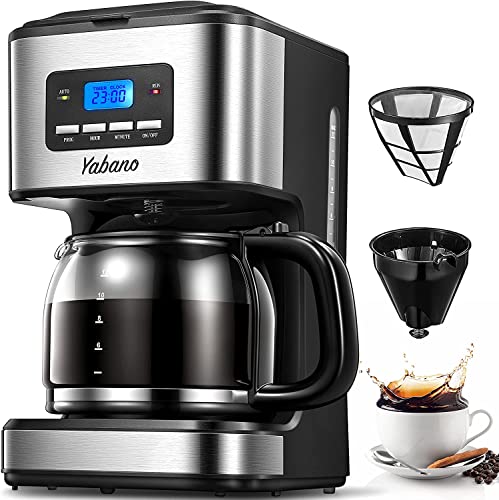
The reservoir is filled with water that's at 195-205 degrees Fahrenheit. When the water has reached the desired temperature, it is transferred to a showerhead which sprays the water evenly across the coffee grounds. The hot water slowly drips down the carafe after passing through the coffee grounds and absorbing their scents. This process typically takes several minutes and the coffee is ready to serve.
Melitta Benedt, a housewife from the early 20th century who invented the Melitta Filter to make drip-coffee by hand. This method is more difficult, but allows you to be more in control of the brewing process, resulting in a more naive flavor profile. Hand drip lets you test different temperatures and grind sizes.
To get the most value of your drip coffee, brew it in small batches to ensure consistency and avoid over-extraction. If you're using a manual pour-over machine, start by pouring a small amount of water over the grounds to allow them to bloom (expand and release gasses). Once the grounds have been covered, pour the water slowly in a circular motion stopping for a brief moment to ensure the flow.
Grind Size
The size of the grind in your drip coffee machine is among the most crucial factors in brewing a great cup of drip coffee. The grind size determines the surface area of the coffee grounds, which affects the way water flows through them and extracts flavor and compounds within. A properly-sized grind size can help prevent over- or underextraction that could result in bitter, weak coffee.
The ideal grind size for your drip coffee maker will depend on a variety of factors, including the brew method and filter type used. Generally, a medium grind is ideal for most drip coffee makers and filters. However, there are exceptions, and different brands suggest a specific size of grind according to their design.
The Kalita Wave, for example utilizes a flat-bottom filter, which calls for medium coarse grind unlike pour-over brewers that use paper filters, which call for an even more fine grind. Cold brew coffee, which is brewed by immersing ground beans in water over a long period, requires a coarser grinding.
In addition to determining the ideal grind size for your drip coffee maker, you should also consider the number of cups you need to make. Drip coffee machines come in a variety of sizes, from single-serve models to carafes which can produce up to 12 cups. It is also important to be aware of your countertop space when choosing the right drip coffee maker.
To get the best results, you must follow the manufacturer's suggested recipe for brewing with your drip coffee maker. This will ensure that your coffee gets the right proportion of ground to water and is brewed for the right amount of time needed to extract the desired flavor components. However, don't be afraid to play around with your drip coffee maker and the settings it uses. You'll get the most out of your drip coffee maker if you learn what works and what does not. In the end, you'll be enjoying a great cup of coffee every single time.
Cleaning
Cleaning regularly your coffee drip machine helps keep the freshness and flavor intact. It also helps prevent the buildup of minerals which can impact the performance of the machine and impact the quality of the final brew. The drip machine must be cleaned after every use and all removable parts should be washed in warm soapy water, focusing on the carafe and lid. Every 3 to 6 month an intensive cleaning is recommended to eliminate mineral buildup.
The majority of coffee makers have a built-in cleaning cycle which runs vinegar through the system, followed by cleaning thoroughly with clean water. This is a simple method to clean your coffee maker without having to take it apart it or scrub it. Some machines even have a simple clean button that will run the vinegar and water cleansing cycle for you.
Before cleaning, it is essential to take off all the components of the carafe, including the lid, filter basket, and carafe. Also, ensure that you have unplugged your coffee maker from all power sources. Then, you must empty the water reservoir and wash any removable parts in the sink with mild soap. If the removable parts are labeled dishwasher safe you can wash them in the dishwasher too.
After washing the parts that are removable it is essential to let them dry thoroughly before assembling your coffee maker. If you leave behind excessive moisture, it can lead to bacterial and mold growth which can affect the flavor of your coffee. To ensure there is no water left behind, use a dry towel, such as these fanciful cotton ones by Anthropologie to dry the components.
It is not recommended to use soaps with scents on the coffee maker as they can leave an unpleasant smell. White vinegar is the ideal solution to clean a coffee drip maker. It can remove unpleasant smells and tastes. If you prefer an approach that is more natural mixing baking soda and water can also work as a cleaner.