

The Importance of Choosing the Right Coffee Drip Maker
Drip coffee makers are a preferred choice for a lot of java lovers due to their convenience and speedy brewing time. They also work well for making large batches of coffee.
The most important thing to take into consideration when brewing drip coffee is the temperature of the water and contact time. These are the most important factors that impact extraction and flavor.
Grind Size
The size of the grind on a drip coffee maker plays a significant aspect in the taste and extraction process. The right grind size ensures that the water flows through the grounds at an optimal rate, which enables maximum flavor extraction. This helps avoid both excessive extraction, which can lead to a bitter cup of coffee, and under-extraction which can produce a weaker cup.
The ideal size of grind for a drip coffee maker depends on the filter type and brewing method. A medium grind, that resembles the texture of sand is perfect for flat-bottom filters, while cone-shaped filters require a more fine grind that is similar to the consistency of table salt. The time of brewing and also the contact time (which is the time that the water is in contact with the grounds) will vary based on the brewing style.
A coarse grind is best for cold brew, as it can withstand the lengthy and intense soaking that is required by this technique. A fine grind is better for Turkish coffee since it has a finer texture, which helps in preserving flavors faster. The size of the grind for drip coffee makers can also differ based on the origin of the coffee beans and roast level. It is suggested to experiment.
Burr grinders are the best option for grinding beans for drip brewing, as they crush the beans between two rotating burrs rather than cutting them. This produces a more uniform grind, and reduces loss in aromas and oils. The grinder should be able to adjust the settings so that you can easily achieve the desired size of particle.
The brewing process is a delicate balance of a variety of factors, and each of them can impact the final flavor of your coffee. Having an understanding of the basics of brewing coffee will allow you to make the most of your drip coffee maker and enjoy an energizing, balanced cup each time. You can alter the coffee bean as well as the temperature of the water and the size of the grind to make the perfect cup for every occasion. The cup you end up with will be full of flavor and free of any leftovers or other unwanted elements making it the ideal morning drink.
Filter Type
The type of filter used in the drip coffee maker may influence the taste of the final coffee. Different types extract different amounts of grounds of the coffee. This impacts the flavor profile. The filter type used can also affect the body and mouthfeel of the coffee, and the level of acidity and bitterness.
Paper filters, which can be found in all drip coffee machines with automatic brewing typically remove the majority of the soluble solids and oil from the coffee beans during the making process. This produces a cup with less acidity and bitterness, as well as an overall more neutral flavor. The taste of coffee brewed with the filter method will vary depending on what kind of coffee is used and the method by which it's ground.
Other types of filter are compatible with the drip maker for coffee for example, permanent and metal filters. They are cone-shaped and are designed to fit into pour-over or drip coffee makers. They may be made from thin perforated sheets of metal or porous plastic mesh, or glazed porcelain sieves that restrain the coffee grounds. They are available in various sizes, from No. 2 cone-shaped filters which fit in most auto drip coffeemakers to No. 4 cone-shaped filters that can be used in single or double pour-over coffeemakers.
When selecting a filter to fit your coffee maker, you should be aware of the dimensions and shape of the filter as well as its capacity. A large filter might not fit inside the machine, while a smaller filter could leave too little space for the brew. It's also important to choose an easy filter to clean.
The showerhead is an essential component of a drip coffee maker that helps the water flow smoothly over the coffee grounds during brewing. This ensures that all the flavors and oils are extracted from the grounds of the coffee, leading to an exquisite cup. The showerhead is available in stainless steel or glass. Glass is more effective in keeping the coffee hotter for longer.
Temperature of the Water
There are a variety of factors that need to be balanced when it comes to making coffee: the kind of bean and roast and roast, the temperature of the water as well as the size of the ground and the duration of the brew. One of the most important and often overlooked - factors is the precise temperature of the water used during making the coffee. This precise factor could make or break your cup.
The ideal temperature for water for drip brewing is between the 195-205 degree Fahrenheit range. This is the most common range for coffee brewing, and it is applicable to all methods. It's not always easy to reach this temperature. Even if your home machine is capable of brewing at this temperature, you may not be able to achieve it consistently.
This is because the temperature of water is dependent on a variety of factors, including its initial state (i.e., whether it's boiling or at room temperature). It could also be influenced by the pressure of the water and flow rate, its surface area of contact, and the filtration system of the brewer. These elements can all affect the final temperature of brewing and the extraction of flavor from the ground.
The good news is that the optimal brew temperature for coffee can be achieved with confidence using commercial drip brewers that has been tested to a certain standard. The standard stipulates that a minimum temperature for brewing of 195 degrees is required however this isn't the only factor that determines how well a drip-brewer performs.
A machine that is programmable and has a timed auto-brew feature is a great option for busy people who don't want to think about making their morning cup of coffee. Certain models come with a self cleaning cycle which can help prevent buildups and keep your machine in good shape.
The Smeg coffee maker is a great choice for those who like the retro design of a diner-style, vintage drip brewer. It comes with a sleek glass carafe resembling an old-fashioned diner coffeepot from the 1950s. It also has an option to warm the coffee for 60 minutes to keep the coffee hot for an hour. It comes with some unique features, like the bloom feature which allows the flavors to be infused into the coffee bean. It's also quite simple to use.
Cleaning
One of the most important actions you can take for your drip coffee maker is to regularly clean it. This will ensure that it's free of mineral deposits and stains, which can affect the taste of your brew. This will also stop the growth of bacteria and mold which can be harmful to your health.
A well-maintained machine can prolong its lifespan. Cleaning your drip coffee maker regularly will not only ensure that it's functioning properly and efficiently, but it will also lower the risk of an expensive repair bill in the future.
The majority of modern drip coffee makers are designed with parts that can be removed, making cleaning the machine easier. These parts include the carafe, lid and filter basket. They can be cleaned by hand using warm soap and water in your sink, or they could be placed in the dishwasher if labeled as being dishwasher safe.
Cleaning your coffee maker is recommended at least once per month. This will get rid of any remaining grounds that could cause a blockage in the machine and also assist to cleanse it. This can prevent mold and bacterial growth, and enhance the flavor of your coffee.
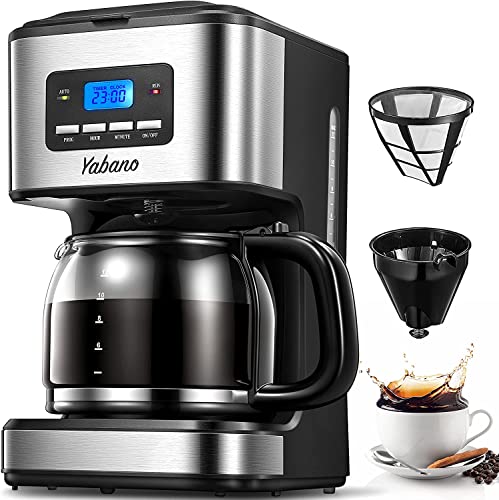
It is recommended, in addition to cleaning your coffee maker regularly to descale it at least every three months. This will stop the buildup of mineral in the system that can alter the quality of the coffee or even cause the machine to fail.
It is crucial to clean your machine in accordance with the instructions given by the manufacturer, regardless of whether you own a drip coffee maker or K-cup pods. There are a myriad of products available that are designed to clean drip coffee makers, but you can also create your own cleaning solution with white vinegar and water.
Fill the reservoir with a 50/50 mix of water and white vinegar distilled. Then, make filter coffee makers in a pot and discard the water and vinegar mix. Repeat the process six to twelve times to clean your coffee maker. Be sure to thoroughly dry and rinse the parts that are removable prior to assembling your machine. After cleaning the machine, run a water cycle through the machine to get rid of any vinegar smell or taste and to remove any suds that might have been left.